Why Your Spotify Streams Aren’t Fully Reaching You
Streaming is the heartbeat of the modern music industry, but the journey from a fan hitting "play" to a royalty hitting your bank account is more complex than a simple flat rate. Spotify generates revenue through a mix of listener subscription fees and advertising sales, paying out respective shares of these revenues to both collection societies and distributors.
Because this revenue fluctuates based on Spotify’s total monthly earnings, the listener’s subscription tier, and the country where the stream occurred, the "pay-per-stream" rate is never a fixed number—it is a shifting calculation. This complexity often leads to significant gaps in a musician's payout. If you aren’t actively managing your global administration, a portion of these royalties can sit uncollected until it's eventually too late, never reaching your pocket.
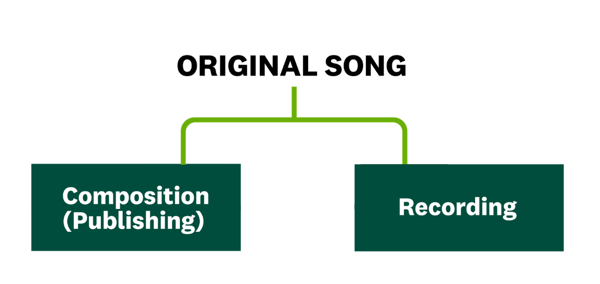
Understanding the Two Halves of Your Song’s Value
To truly get paid by Spotify, you have to understand that every track has two distinct "owners" in copyright law.